

The story went like this: wild fish populations were being emptied, industrial fishing was wrecking the seas, and farming fishes would take pressure off the ocean. Clean protein. Blue growth. Sustainable seafood. A guilt-free plate. In reality, the fish farming industry did not end the exploitation of wild fishes.
Many farmed fishes, especially salmon, are carnivores. They are fed other fishes. Anchovies, sardines, herring, and other small wild fishes are captured, ground into fishmeal and fish oil, then fed to farmed fishes so wealthy consumers can keep pretending salmon is a responsible choice.
That is not saving the ocean. That is feeding one victim to another.
Industrial aquaculture has now grown into a vast global industry, producing more aquatic animals than wild-capture fisheries and supplying over half of aquatic animal products for human consumption.
The industry claims it reduces pressure on wild fisheries. But they turn wild fishes into feed. These are foundational animals in marine ecosystems. They feed seabirds, marine mammals, larger fishes, and coastal communities.
The Global South supplies the feed. The Global North gets the luxury product.
Then there is the farm itself.
Open-net salmon pens are not clear, natural ocean spaces. They are floating factory farms. Thousands upon thousands of fishes are confined together in waste, parasites, disease, and dead bodies. Sea lice eat through living fishes. Viruses spread. Mass deaths are treated as business losses. Antibiotics and chemical treatments become part of the system because the system itself creates the conditions that require them.
Imagine looking at cages full of injured, infected animals and calling it health because the customer gets omega-3.
The climate claims do not survive scrutiny either. Feed production carries a heavy carbon burden. Shrimp farming has destroyed mangroves, which are important carbon sinks. The industry shifts the damage around, hides it behind labels, then asks people to trust certification schemes often funded by the companies being certified.
“Sustainable seafood” is not a guarantee. It is often a marketing phrase placed between the consumer and the truth.
The real problem is not that fish farming is done badly. The real problem is that fishes and other sea animals are treated as products in the first place.
They are counted in tonnes. Packed into cages. Dragged from oceans. Ground into feed. Sold as fillets, fingers, flakes, and prawns. Their lives vanish behind words like “seafood”, as if the language itself has been designed to stop us noticing someone was there.
The solution is not better branding. The solution is rejection. And in 2026, pretending there are no alternatives is becoming ridiculous.
Vegan Salmon
Salmon has been marketed into everyday life so aggressively that people now act like brunch collapses without a dead fish on a bagel. It does not.
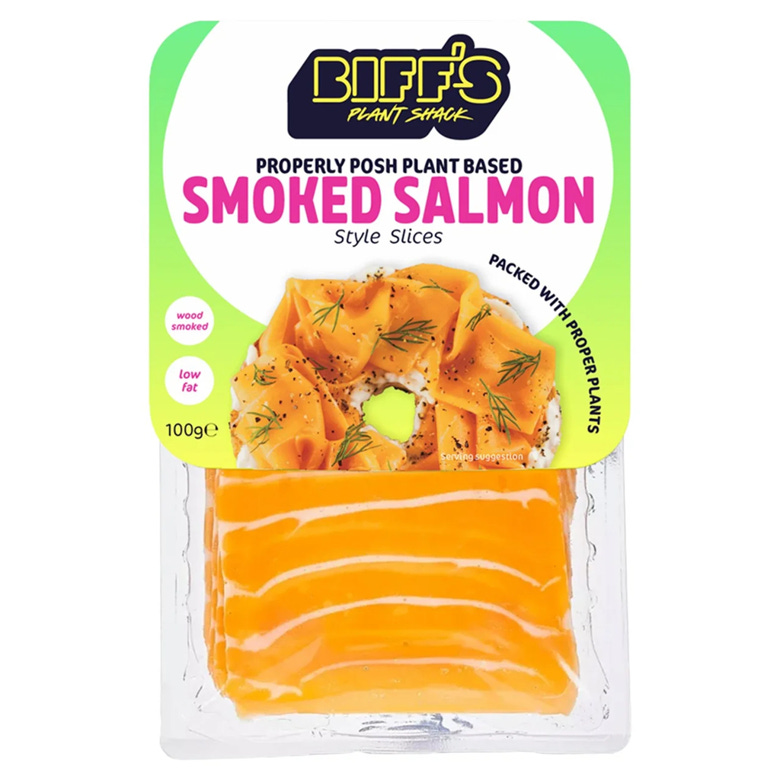
Biff’s Smoked Salmon Style Slices are made with rice, konjac, and beetroot, then smoked with alder wood. Use them in bagels, sushi, wraps, or sandwiches. Available at Ocado.
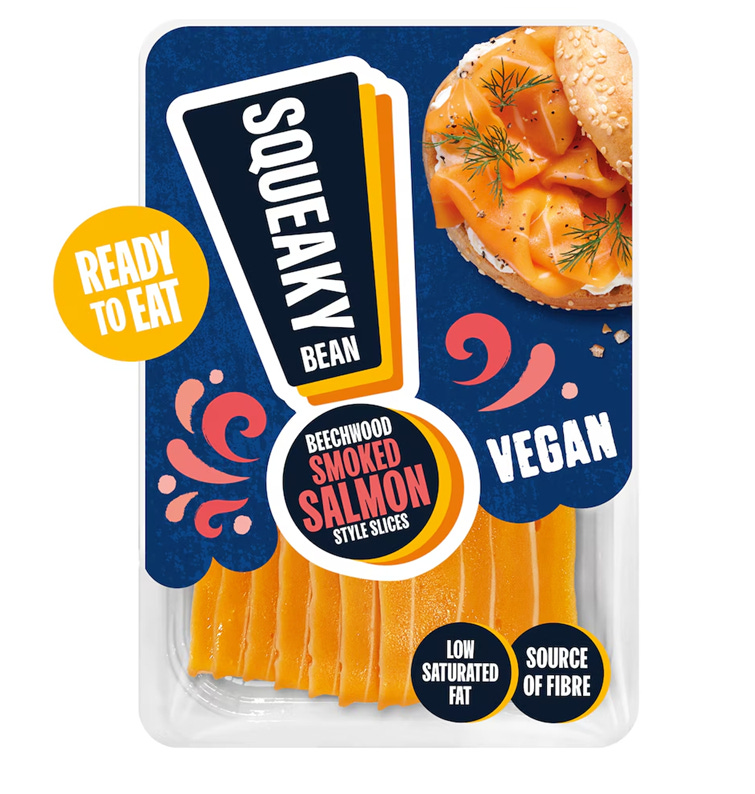
Squeaky Bean Beechwood Smoked Salmon Style Slices work for bagels, sandwiches, and brunch plates. Available at Tesco, Waitrose, and Sainsbury’s.
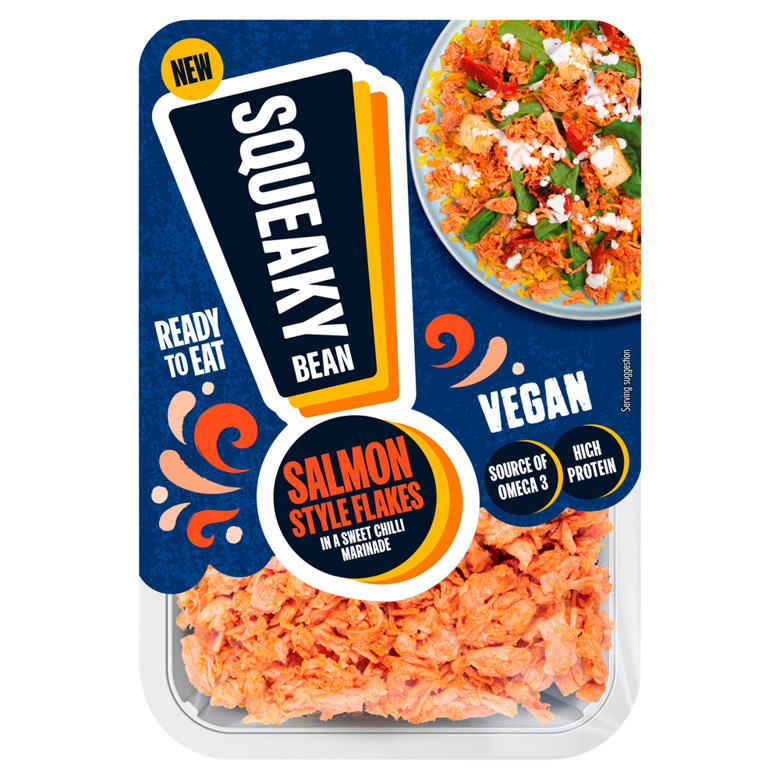
Squeaky Bean Salmon Style Flakes in a Sweet Chilli Marinade are ready to eat and useful for fast lunches. Available at Sainsbury’s and Ocado.
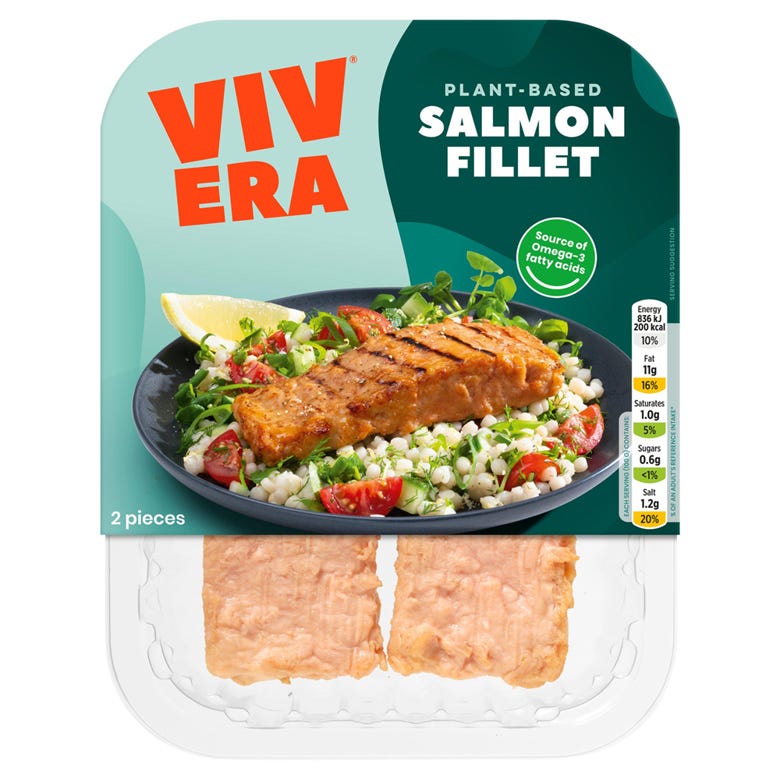
Vivera Plant Salmon Style Fillets offer a flaky fish-free salmon alternative with plant protein, fibre, and omega-3. Useful for salads, lunches, and BBQs. Available at Tesco, Morrisons, and Asda.
Vegan Tuna
Tuna sandwiches, pasta bakes, jacket potatoes, salads, toasties, and quick lunches do not require a tuna to die.
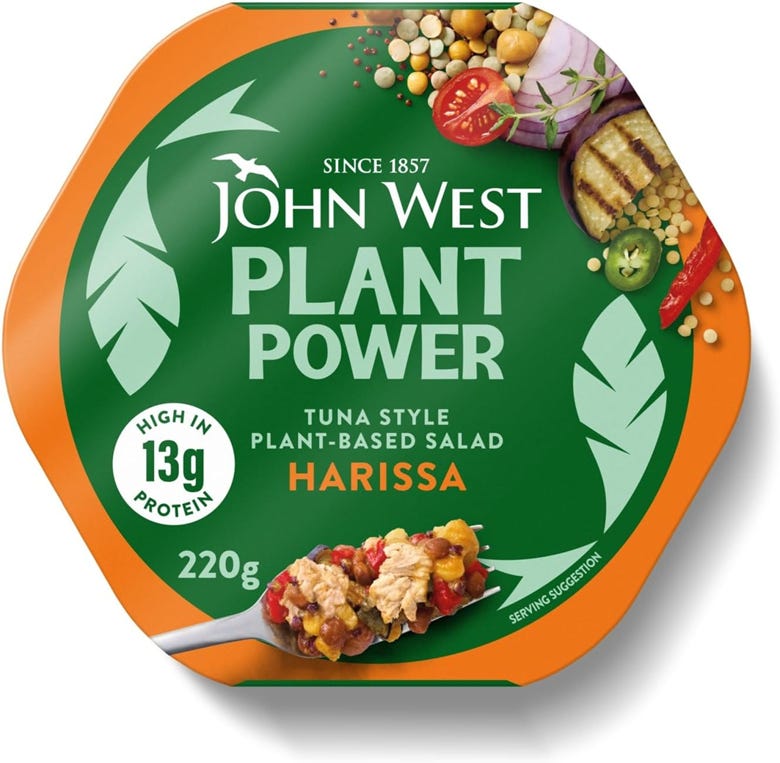
John West Plant Power Tuna Style Plant-Based Salad offers a grab-and-go lunch made with textured pea protein, herbs, spices, and vegetables. Available at Asda and Tesco.
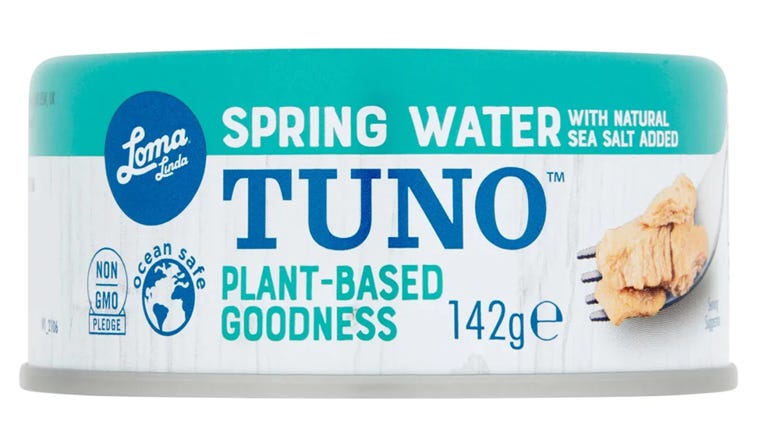
Loma Linda TUNO is one of the original plant-based tuna-style options, with flavours including Lemon Pepper, Pesto & Sun-Dried Tomato, Spring Water, and Thai Sweet Chilli. Available at Asda and Morrisons, depending on stock.
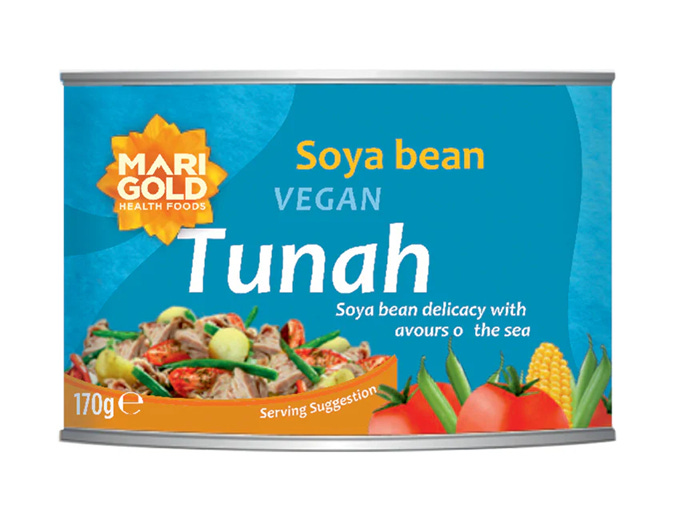
Marigold Vegan Soya Tunah is a soya-based tuna alternative that can be eaten hot or cold in salads, rice dishes, and pasta. Available from Amazon and independent retailers.
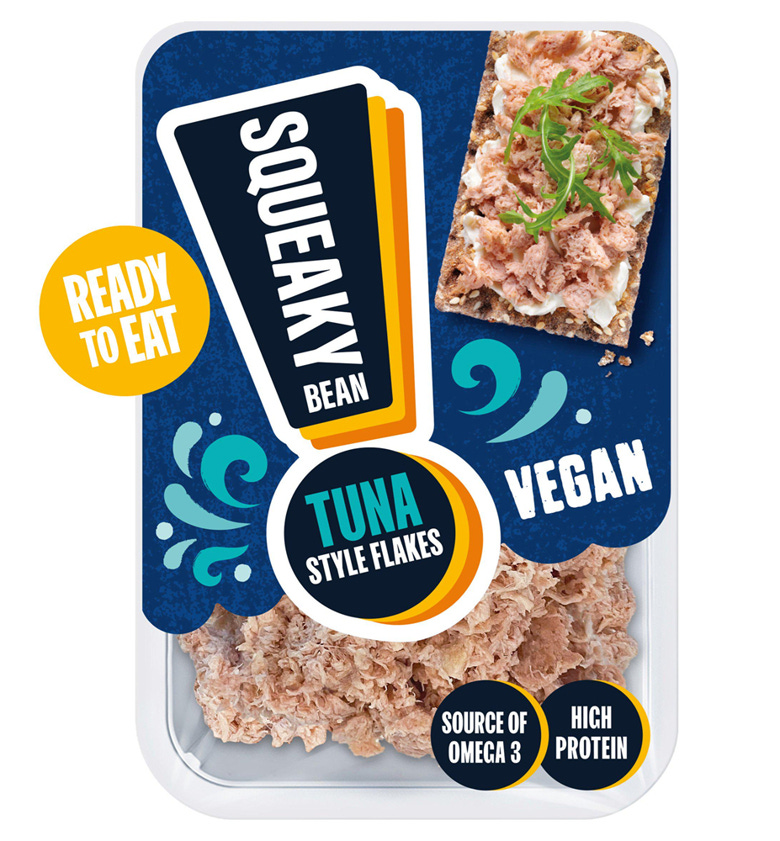
Squeaky Bean Tuna Style Flakes are ready to eat, with plant protein and omega-3. Available at Tesco and Sainsbury’s.
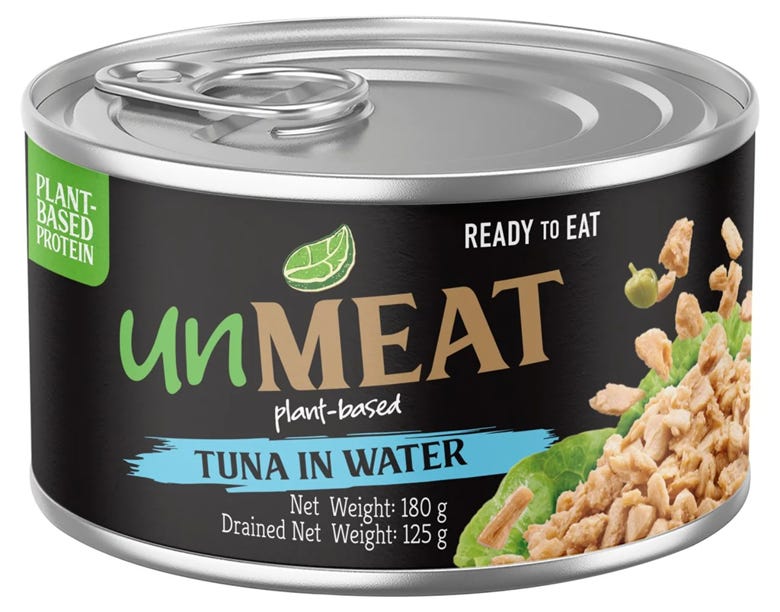
unMeat Plant-based Tuna Style Flakes in Water is a tinned option for quick lunches, meal prep, and weeknight dinners. Also available in Hot and Spicy. Available at Ocado.
The ocean does not need fish farms. It needs humans to stop treating sea animals as food.