

The UK government has announced £22 million of investment into alternatives to animal testing. That includes £20 million for a new centre growing miniature organs from human tissue, alongside £2 million for projects developing technologies such as lab-grown heart tissue, ear models, artificial intelligence systems and simulation-based safety testing. This is progress. But it also raises an uncomfortable question.
If we are now investing millions of pounds into replacing animals because human-based methods can be more relevant, more advanced and potentially more effective, why are millions of animals still being used?
Around 2.54 million procedures were carried out on animals in the UK last year. Overall animal testing fell by just 4% between 2024 and 2025. Meanwhile, the use of dogs, cats, horses, and monkeys actually increased.
That is not a transition anyone should be celebrating too enthusiastically.
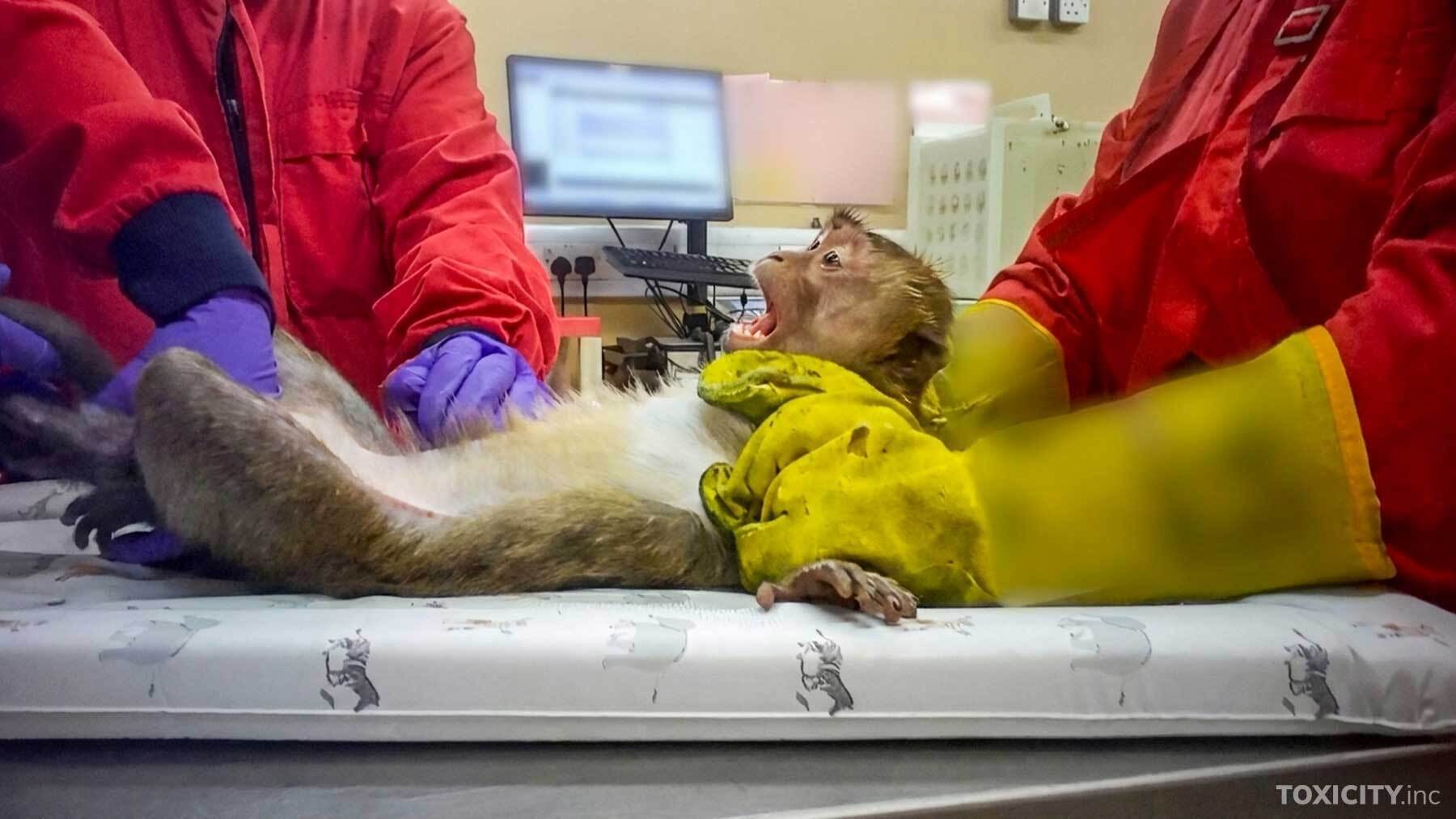
Animals Are Not Laboratory Equipment
Animal testing is often discussed as though the ethical problem is simply whether scientists can find something better. But animals are not outdated laboratory equipment waiting to be replaced by a more accurate machine.
They are sentient individuals.
Dogs, monkeys, mice, and other animals used in laboratories experience fear, pain, confinement and distress. They have interests of their own. They are not tools for humans to experiment upon simply because we have historically treated them that way. Replacing them should therefore not be treated merely as technological modernisation.
It is an ethical necessity.
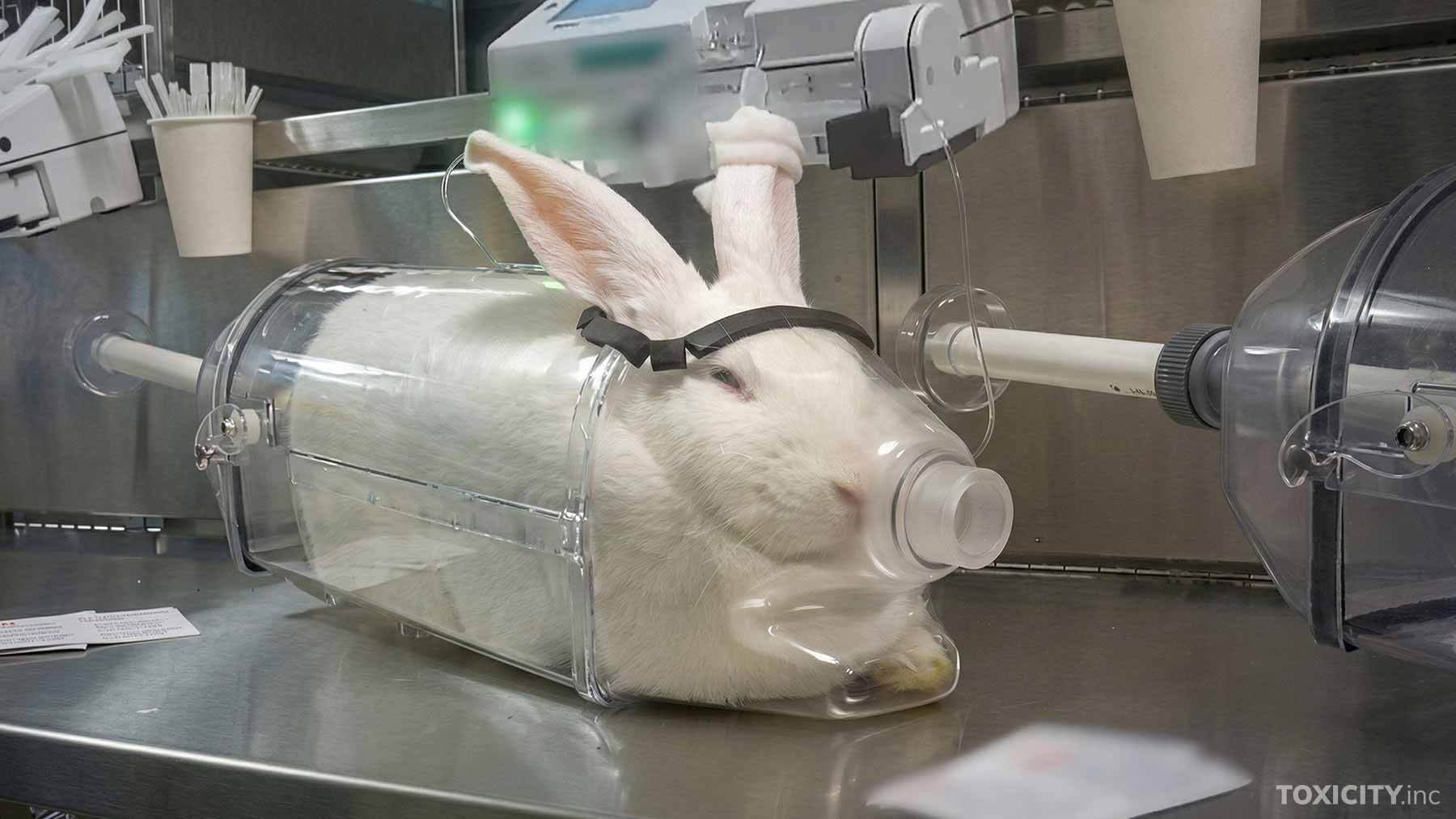
The Scientific Case Is Growing Too
The government appears increasingly interested in technologies designed specifically around human biology.
The proposed Translational Models Hub will create models of human tissue grown from NHS patients. These organoids can represent simplified versions of organs such as the gut or brain. Other funded projects include living human heart tissue, lab-grown ear models, AI systems predicting how medicines move through the human body and simulations designed to replace cardiovascular studies using dogs and monkeys. There is an obvious advantage here. We are humans. Testing human treatments using human-relevant biology makes intuitive scientific sense. More than 90% of drugs that pass animal testing subsequently fail during human trials. If that figure does not trigger serious questions about relying on animals as models for human medicine, what would?
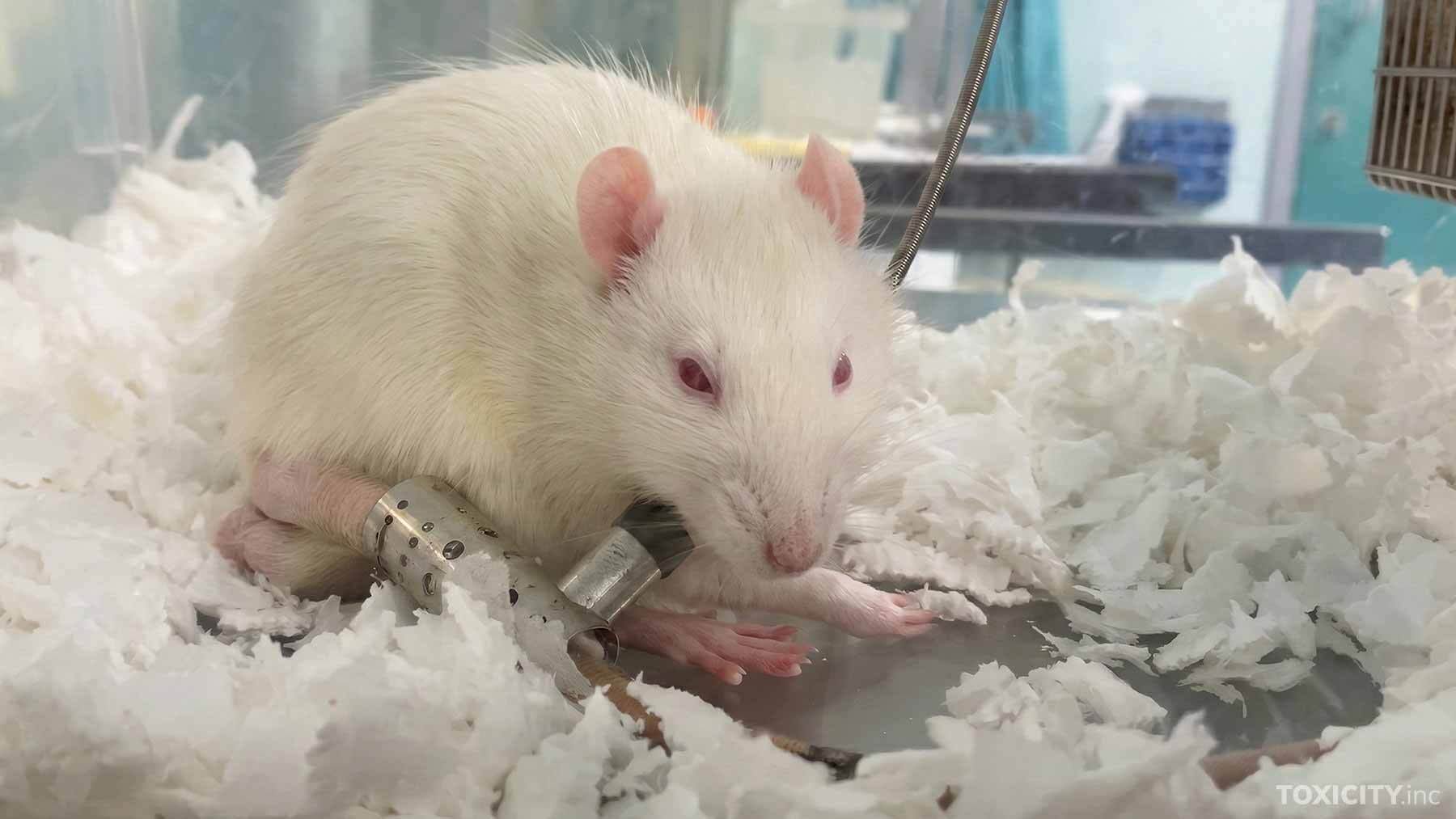
“Wherever Possible” Is Not Enough
Science Minister Chris McDonald described the investment as part of the UK’s move away from animal testing “wherever possible”. That phrase is telling because animals should not remain the default until somebody develops a sufficiently convenient alternative. The burden should be reversed. If researchers want to use another sentient being in an experiment, the question should not simply be whether the procedure is legally permitted. The question should be why that animal is being used at all.
The government plans to publish an update on its Replacing Animals in Science Strategy and new performance indicators before the end of the year.
Those indicators should be judged by something very simple.
Are fewer animals being used?
Not eventually.
Not theoretically.
Actually.
£22 million towards human-based science is welcome. But the real measure of progress will not be how impressive the alternatives sound.
It will be how quickly animals stop being treated as experimental tools.
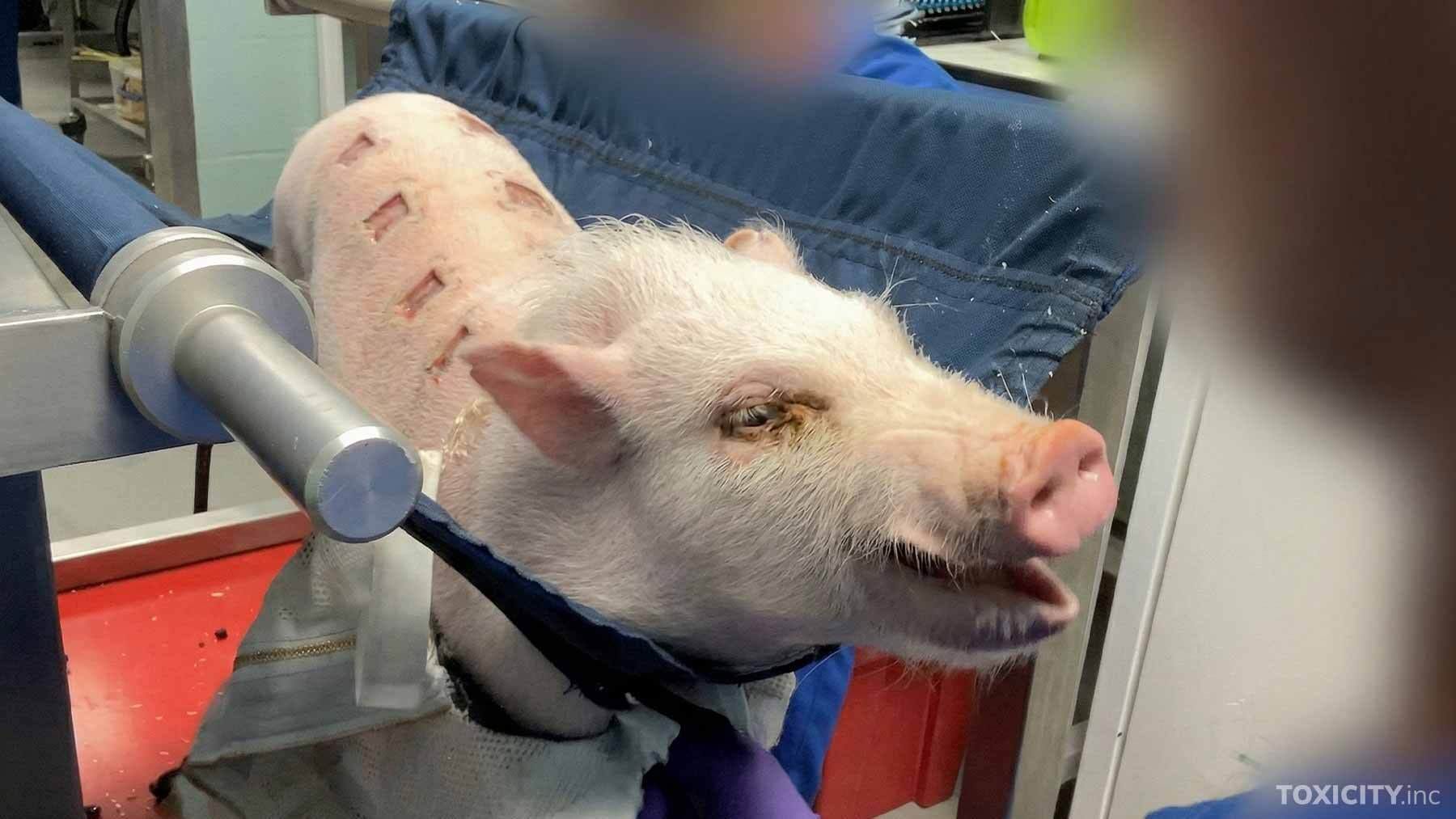
There is a charity in england called XcellR8 who are vegan friendly who never test on animals.